What To Know Before Buying A Las Olas Waterfront Condo
June 25, 2026
June 25, 2026
If you are shopping for a Las Olas waterfront condo, the view alone should not make the decision for you. It is easy to fall for a terrace, skyline backdrop, or water access story, especially in one of Fort Lauderdale’s most recognizable waterfront areas. The smart move is to look at the full picture, from building finances to dock rights to flood exposure, so you know what you are really buying. Let’s dive in.
Not every Las Olas waterfront condo offers the same experience. In practice, you should separate New River, Intracoastal, and near-ocean options before comparing price, boating convenience, privacy, and day-to-day lifestyle.
That matters because your view corridor can be very different from one building to the next. Some units face open water, while others look toward a marina, a skyline, a bridge, or nearby buildings. Those differences can shape both how the condo feels now and how it may be valued later.
Along the Las Olas area, the New River and Intracoastal can have heavier vessel activity. That can influence noise, privacy, and bridge traffic exposure depending on the building and even the stack you choose.
If you want a calmer feel, one side of a building may suit you better than another. If you enjoy being in the middle of boating activity, a more active waterway exposure may be part of the appeal. The key is to match the unit to how you actually plan to live.
A higher floor is not automatically the best option. You may get broader views, but you can also see more wind exposure and less terrace comfort depending on the building and orientation.
In some cases, a lower or mid-level floor gives you better shade, more usable outdoor space, or a more connected water view. Corner and end stacks can also bring in extra light and privacy, though they may come with more wind or neighboring sightlines.
For a Florida condo purchase, the document package is one of the most important parts of your due diligence. Prospective buyers are entitled to receive key records, including the declaration, articles of incorporation, bylaws and rules, annual financial statement and budget, the FAQ document, and certain inspection and reserve-related materials if applicable.
That is especially important in waterfront buildings, where ongoing maintenance costs can be substantial. A beautiful building can still present future cost exposure if reserves are thin or major repairs are approaching.
Under Florida’s current condo framework, reserves are not just a side issue. Associations must budget for reserve accounts for capital expenditures and deferred maintenance, including items such as roof replacement, painting, pavement resurfacing, and other qualifying items over the statutory threshold.
For many associations, structural integrity reserve study requirements are now a major factor. DBPR states that residential condominium associations with buildings that are three or more habitable stories must complete a structural integrity reserve study at least every 10 years after the condominium’s creation.
The study covers eight core elements, including the roof, structural systems, fireproofing and fire protection systems, plumbing, electrical systems, waterproofing and exterior painting, windows and exterior doors, and other qualifying elements that affect structural integrity. If the study shows a funding shortfall, the association may need to increase assessments, levy a special assessment, or use a loan or line of credit.
If you are looking at an established Las Olas condo, current timing can affect your risk. Florida law sets deadlines tied to reserve studies and milestone inspections for older associations, which means some buildings may be dealing with repairs or updated funding plans right now.
That can influence your monthly costs, your near-term cash needs, and your resale picture. In a waterfront market, buyers are paying close attention to those details.
Before you move forward, ask direct questions about the building’s financial and physical condition:
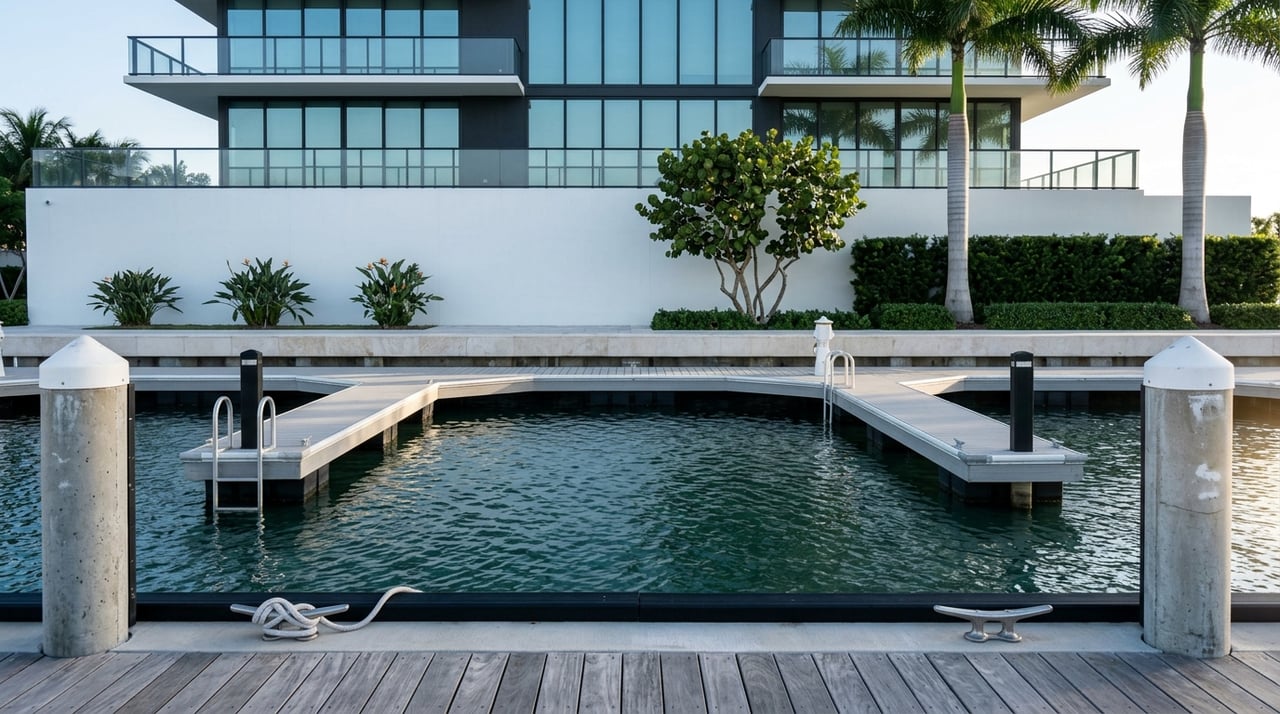
A waterfront address does not automatically mean you are buying usable or transferable dockage. In Fort Lauderdale, dock-related improvements are regulated, and buyers should confirm exactly what rights exist rather than assume they come with the unit.
That means you should review the declaration, plats, maintenance obligations, and any available permit history before assigning value to a slip or marina access. This is one of the biggest areas where waterfront buyers can make a costly assumption.
Dock rights can take different forms. A slip may be deeded, assigned, leased, or available only through association rules.
Those differences matter because they affect your control, your resale options, and the long-term value of the condo. If you own a boat, this step is essential.
Seawall condition is another detail that can affect the association’s budget and your future costs. Fort Lauderdale even offers a Living Seawall Permit Fee Assistance Program for qualifying projects, which is a reminder that shoreline work is a real ownership issue, not a background detail.
You should also ask who maintains the seawall, dock pilings, and any lift equipment. If responsibilities are unclear, that is a sign to slow down and get better answers.
If boating is part of your lifestyle, ask these questions early:
Even if the condo does not include dockage, nearby infrastructure can still matter. The New River/Downtown Docking facility near Las Olas offers 100 slips with full utilities, which adds context to the value of nearby waterfront access.
Waterfront condo decisions are rarely just about the unit itself. Flood exposure, insurance structure, and financing eligibility can all affect your costs today and your resale options later.
That is why it helps to think about these factors as one package instead of checking them off separately.
For any Las Olas waterfront condo, flood risk should be verified at the exact property address. Broward County says its current flood zones map is effective July 31, 2024, so this needs to be current and address-specific.
Do not rely only on marketing language or a general neighborhood description. Two nearby buildings can have meaningfully different flood considerations.
From a lender standpoint, project-level issues can matter as much as what is inside your unit. Fannie Mae notes that project ineligibility can arise from pending litigation related to safety, structural soundness, habitability, or functional use.
Its guidance also points to the importance of a master property insurance policy and flags condotel characteristics and short-term rental setups as common reasons for ineligibility. For you, that means a condo with a great location can still become a harder property to finance or resell if the project does not fit lender standards.
In a market like Las Olas, the strongest resale profile usually comes from a combination of factors. Protected views, reasonable assessments, healthy reserves, clear waterfront rights, manageable insurance costs, and lender-friendly building characteristics all tend to support long-term value.
That does not mean every buyer wants the same thing. It means the best purchase is usually the one that balances lifestyle with smart risk management.
When you narrow down your options, compare each condo the same way. That helps you avoid making a decision based only on finishes or first impressions.
A Las Olas waterfront condo is part lifestyle purchase, part building-condition purchase, and part financing decision. If you want help comparing buildings, evaluating waterfront tradeoffs, or finding the right fit in Fort Lauderdale, connect with Glen Primak.
Provides discreet, strategic guidance in South Florida’s luxury waterfront market. With $100M+ in sales and strong property listings, he delivers exclusive opportunities and seamless transactions.
ADDRESS
648 George Bush Blvd
Delray Beach, FL 33483